Progesterone is a crucial hormone in fertility and reproductive health, playing several key roles in fertility treatments. Here’s an overview of its functions and importance:
1. Preparing the Uterine Lining
Progesterone helps prepare the uterine lining (endometrium) for the implantation of a fertilized egg. After ovulation, progesterone levels rise to thicken the endometrium, creating a supportive environment for a potential embryo. In fertility treatments, ensuring adequate progesterone levels is essential for optimizing the chances of implantation and a successful pregnancy.
2. Supporting Early Pregnancy
Once implantation occurs, progesterone continues to support early pregnancy by maintaining the uterine lining and preventing its breakdown. This helps to sustain the embryo and support its growth during the early stages of pregnancy. Progesterone also helps regulate the immune response, preventing it from rejecting the embryo as a foreign body.
3. Supplementing Progesterone
In fertility treatments, especially during assisted reproductive technologies like IVF (In vitro fertilization), progesterone supplementation is often prescribed to support the uterine lining and improve the chances of implantation. Supplementation can be given through various methods, including:
- Oral Tablets: Taken by mouth to increase progesterone levels in the bloodstream.
- Vaginal Suppositories or Gels: Applied directly to the vaginal area, allowing progesterone to be absorbed locally and act directly on the uterine lining.
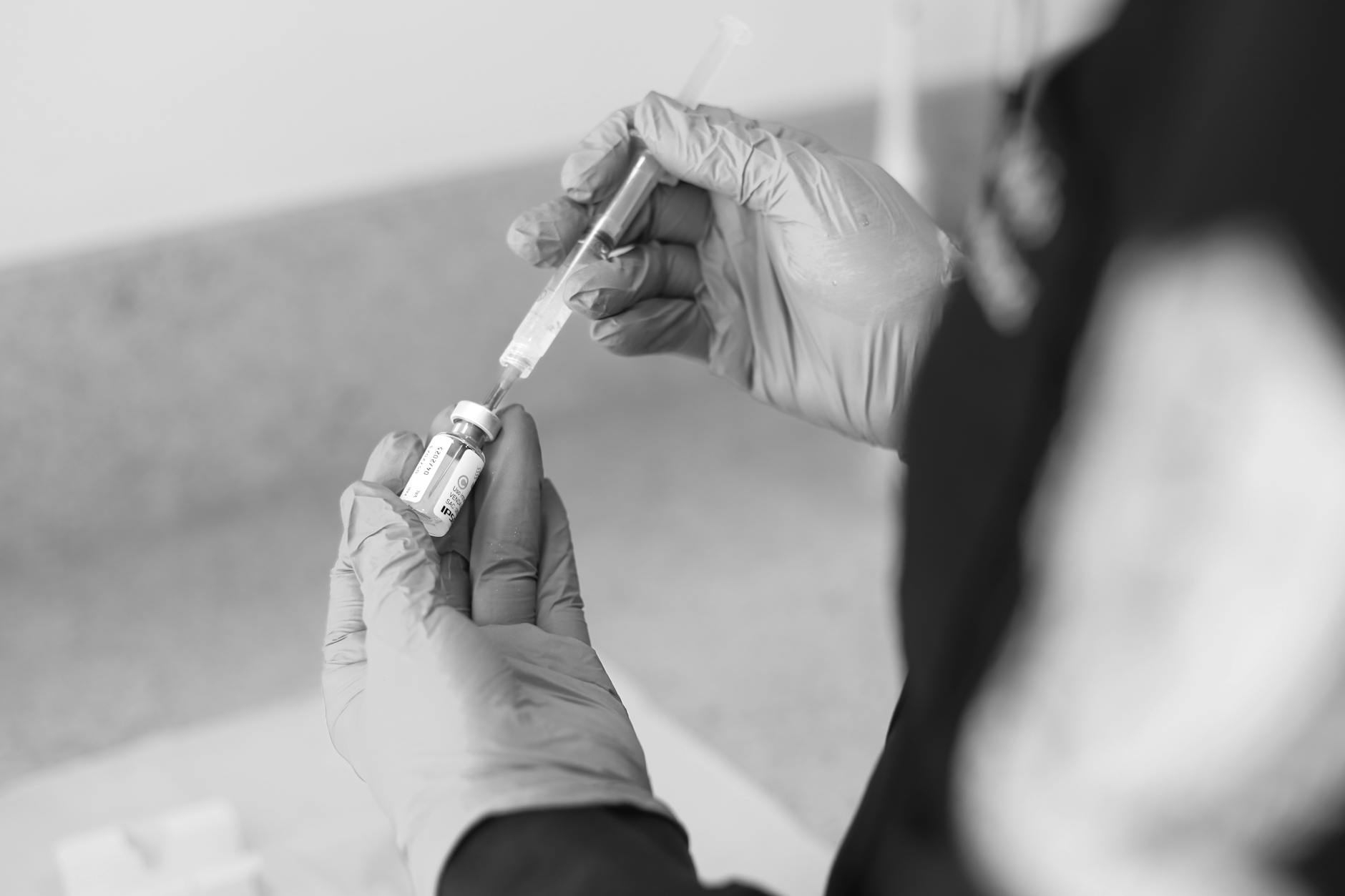
- Injections: Administered intramuscularly to provide a controlled and steady dose of progesterone.
4. Regulating Menstrual Cycles
Progesterone helps regulate menstrual cycles by balancing the effects of estrogen. In fertility treatments, maintaining a regular cycle and proper hormonal balance is important for optimizing ovulation and fertility.
5. Managing Luteal Phase Defects
In some cases, women may experience luteal phase defects, where progesterone levels are insufficient during the luteal phase (the period between ovulation and menstruation). This can hinder the implantation of an embryo. Progesterone supplementation can help address this issue and support a successful pregnancy.
Conclusion
Progesterone plays a vital role in fertility treatments by preparing the uterine lining for implantation, supporting early pregnancy, and regulating menstrual cycles. Proper progesterone levels are crucial for optimizing the chances of conception and sustaining a healthy pregnancy. In fertility treatments, supplementation of progesterone is often used to enhance these processes and improve overall outcomes.
Kristen’s Personal Take
During my fertility journey, I was prescribed progesterone by my fertility doctor to support the implantation process. However, after monitoring my blood levels, it was determined that progesterone supplementation was not necessary for me. As a result, my OB gave me the green light to discontinue the medication.
Despite this, I did experience some side effects while on progesterone. I dealt with intense nausea, though thankfully, I did not experience vomiting. This experience highlighted the importance of closely monitoring hormone levels and adjusting treatments accordingly to minimize unnecessary side effects.