
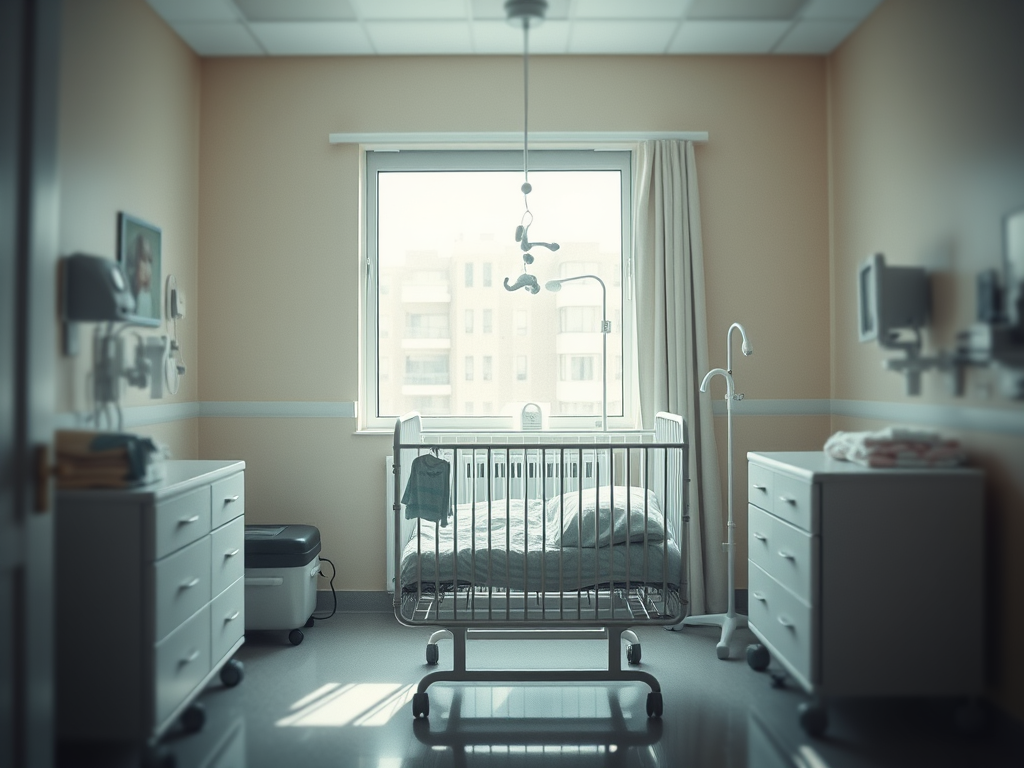
In honor of NICU Awareness Month
One of the first things I noticed after my twins were born was a little device attached to their ankles—a baby “lowjack” of sorts. Every baby in the hospital gets one as soon as they arrive, not only as an identifier but as a safeguard to ensure no baby is taken from the hospital without permission. It’s a tiny, discreet device, but its purpose is huge—protecting our littlest ones in a big, busy place.
At first, I didn’t really question the layout of the baby floor, with its long hallway and doors at both ends. It seemed strange, a bit excessive even, until I had one of those facepalm moments. One day, as I was walking through, the doors locked automatically, and suddenly, it all made sense. That seemingly random hallway is an extra layer of security to make sure no unauthorized person can leave with a baby. It’s brilliant once you understand it, but definitely one of those “a-ha” moments that only make sense when you’re in the middle of it.
Inside the NICU, security was taken even more seriously. It was its own locked unit, and you had to be buzzed in. I had to wear a wristband identifying me as a NICU parent, and only my dad—who also had a wristband—could accompany me. No guests were allowed in the room unless one of us was present. At first, it felt a little overwhelming, but it was a comfort knowing the hospital had these measures in place.
One thing I hadn’t anticipated was the signs posted about aggressive behavior and how it wouldn’t be tolerated. At first, I didn’t understand why they were so prominent. One of the nurses later explained that many babies in the NICU were there because their mothers had struggled with drug addiction, and the babies were going through withdrawal. It was heartbreaking to hear, but it gave context to the intensity of the environment. These situations can understandably cause heightened emotions, and the hospital needed to ensure that staff, parents, and babies were all protected.
The NICU can be a place of overwhelming emotions—not just from the challenges of prematurity or medical conditions, but from the difficult circumstances some families face. Seeing the extra security measures, like the baby lowjack devices, the locked corridors, and even the signage, reminded me that the hospital had seen it all before. It wasn’t just about taking care of our babies’ physical health, but also about managing an environment that could be emotionally charged for so many different reasons.



Leave a Reply