
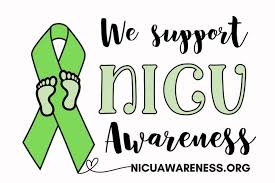
September is NICU Awareness Month—a month that stirs something deep in me. It’s a time to honor the tiniest fighters, the families who love them with fierce determination, and the healthcare teams who quietly perform miracles every day inside the Neonatal Intensive Care Unit (NICU).
Most of us don’t plan to become NICU parents. I certainly didn’t. But when my twins made their entrance at just 34 weeks, the NICU became our unexpected beginning. What started as a place of fear and fluorescent lights slowly transformed into a place of resilience, small victories, and love measured in grams and heartbeats.
I want to use this month to pull back the curtain on NICU life—not just what it is, but what it feels like—and share some hard-won lessons for parents who might be facing it now.
What the NICU Is (and What It Becomes)
Clinically, the NICU is a highly specialized hospital unit for premature or critically ill newborns. It’s full of advanced equipment, tiny wires, and monitors that track everything from oxygen levels to the rise and fall of a baby’s chest.
But emotionally, the NICU is something else entirely. It’s a world where time moves differently. Days blur into nights. Your milestones shrink to things most parents never even think about—like maintaining body temperature without an incubator or finishing a full bottle.
Some babies spend just a few days there. Others spend months. Babies are admitted for many reasons: premature birth, low birth weight, breathing difficulties, infection, or simply needing extra support in their first days of life.
If you’re just entering this world, these posts can help ground you:
Understanding NICU Levels: The Four Tiers of Care
I had no idea NICUs even came in “levels” until someone mentioned my twins were being “downgraded” from Level III to Level II—and I thought, is that good? bad? (It was good.)
Here’s what those levels mean, in plain language:
- Level I: Well Newborn Nursery
Where healthy, full-term babies go for observation and routine care. Most babies never leave this level. - Level II: Special Care Nursery
Designed for babies born around 32–34 weeks or with moderate medical needs. They might need help with breathing, temperature regulation, orfeeding for a short time. - Level III: Neonatal Intensive Care Unit
This is where many premature or seriously ill babies begin. It’s equipped for advanced respiratory support, surgeries, and long-term monitoring. My twins started here, and it felt like walking into another universe—machines everywhere, alarms going off, and yet somehow… calm. - Level IV: Regional NICU
The most advanced NICU care available, often handling complex surgical cases and serving as referral centers for entire regions.
Knowing the level your baby is in can help you understand their current needs and what progress looks like from here.
The Humans Behind the Machines
You’ll hear the word “team” a lot in the NICU. That’s because no one person can do this alone.
Neonatologist
Neonatologists are pediatricians who specialize in premature and critically ill newborns. They’ve spent years training to handle complex, minute-by-minute decisions. They’re the quarterbacks of your baby’s care team.
NICU Nurses
But the real heartbeat of the NICU? The nurses.
They’re the ones gently coaching you through your first diaper change through an isolette porthole. They’re the ones who remember your baby’s favorite pacifier, who celebrate every gram gained, and who quietly slip you a tissue when you break down next to the incubator.
They reminded me I was still Mom even when I felt like a visitor. They were patient, they explained everything, and they celebrated our smallest victories like they were theirs too.
To understand just how vital they are, read:
The Parent Experience: Living Life in the NICU
Being a NICU parent is like living on two timelines at once. There’s the hospital timeline, where days stretch endlessly, measured in
You might feel guilt for not being at the bedside 24/7, or guilt for leaving your other kids at home. You might feel numb, or wildly emotional, or both. It’s all normal.
I kept a tiny notebook by their isolettes to write down daily updates and milestones—because when you’re exhausted and overwhelmed, it’s easy to forget how far you’ve already come.
If you’re in this phase now, these can help:
Why NICU Awareness Month Matters
Awareness months can feel abstract… until you’ve lived the reason they exist.
NICU Awareness Month matters because it shines a light on a part of parenthood that often goes unseen. It reminds the world that NICU babies aren’t fragile—they’re fierce. It honors the healthcare teams who save lives daily and the families who hold on through every twist of the rollercoaster.
And it creates connection. Because the truth is: NICU life can be isolating. You’re split between home and hospital, trying to be strong while your heart is hooked up to monitors behind a sheet of plastic.
By sharing our stories, we remind each other—and the world—that NICU parents aren’t alone.
A Final Word from One NICU Mom to Another
The NICU wasn’t the start I imagined for my twins, but it’s part of our story now—and I wouldn’t erase it if I could. It showed me just how strong they were, and just how resilient I could be.
If you’re in the thick of it right now, let me say this: you are doing an incredible job. Even on the days you feel like you’re falling apart. Especially on those days.
This month, and every month, let’s honor the miracles happening quietly behind those NICU doors. Because while the NICU is full of machines, what it’s really powered by is love.



Leave a Reply