
And Why You Might Want to Start Too
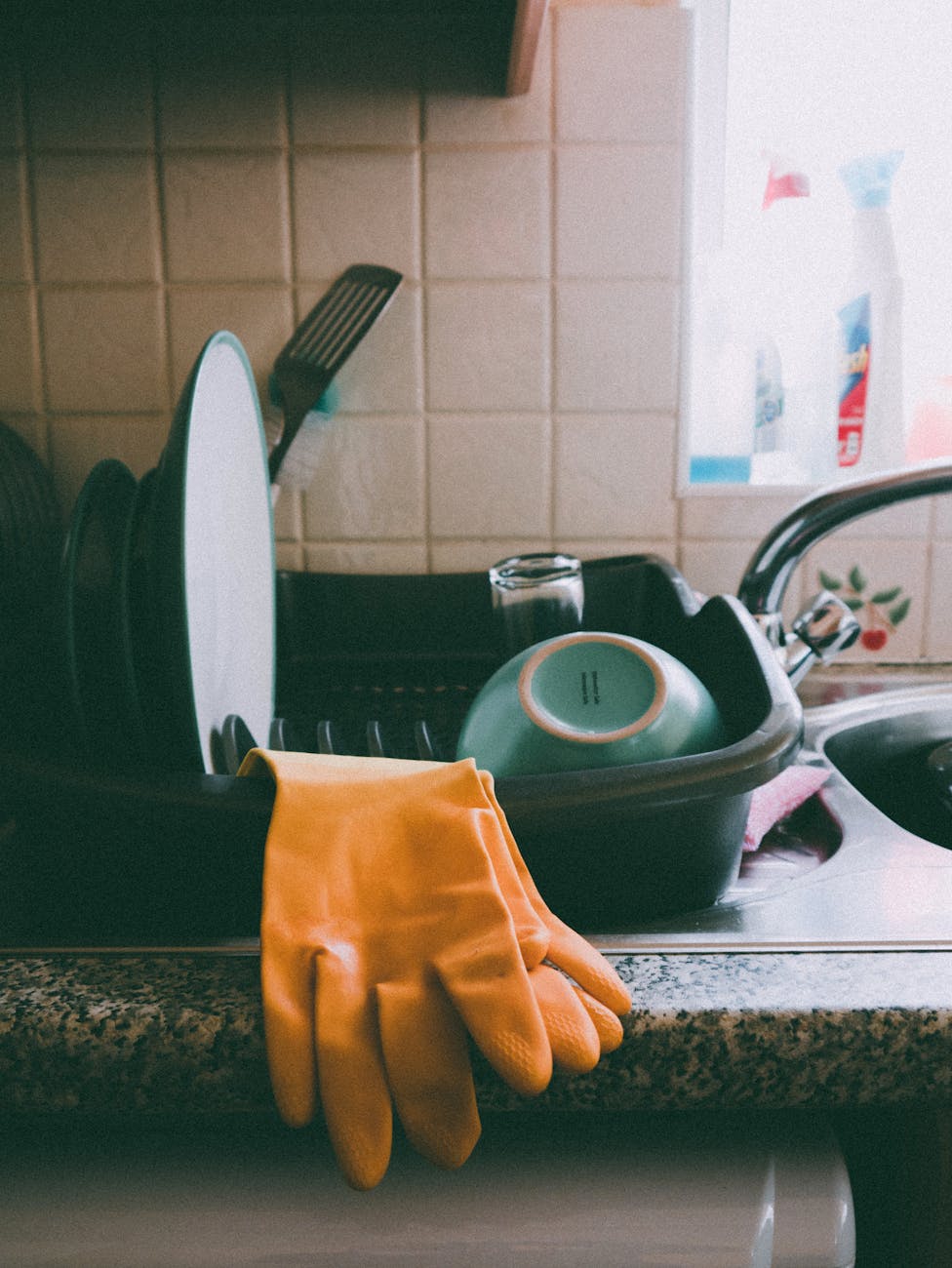
Every night after dinner, we clean up. I load the dishwasher, wipe the counters, and tidy the kitchen while my twins finish their last bits of play. It’s part of our rhythm before heading upstairs to bed—simple, predictable, and very much on purpose.
I do chores in front of my kids every single day.
Not because I’m trying to be Supermom (I’m not). Not because I love doing dishes (I definitely don’t). But because I want my kids to see how our home runs—and eventually, to feel like they’re part of the process.
Nothing in this house happens by magic.
And while they’re too young right now to contribute meaningfully, I want them to grow up curious about how things get done, not assuming the dishwasher loads itself or laundry folds while they
The Montessori Connection
This isn’t just a personal preference—it’s rooted in real child development principles. In Montessori education, “practical life” activities like cooking, cleaning, sweeping, and folding laundry are treated as essential learning tools—not chores to be avoided or hidden.
When kids observe and later participate in household tasks, they develop:
- Confidence in their abilities
- Respect for their environment
- A sense of contribution to the family
- Fine and gross motor skills through real, physical work
Montessori emphasizes hands-on, real-world learning. When children watch you clean up, stir pasta, or water plants, they’re absorbing the routines and rhythms of daily life—and learning that they have a role to play. This article from the Montessori Foundation is a great primer on why these tasks matter.
Sensory Learning & Proprioceptive Benefits
Chores also provide rich sensory and proprioceptive input—key elements in early childhood development.
- Sensory engagement happens when children learn through touch, sight, sound, and movement. Just being in the kitchen exposes them to textures, temperatures, sounds, and smells that build brain connections.
- Proprioception is a child’s awareness of their body in space—how much force to use when lifting, pushing, or moving. Tasks like carrying a laundry basket, stirring batter, or wiping a table help strengthen this “sixth sense,” which supports motor coordination and even emotional regulation.
If you’re curious about proprioception and how it supports child development, this piece from the Pediatric Development Center is a solid starting point.
It’s Not About Perfection
Let’s be real: I’m not aiming for a Pinterest-perfect kitchen.
Sometimes dinner is plated nicely. Other nights it tastes great, even if it looks like it was served from a toddler-run food truck. But I keep showing up. I keep doing the work where my kids can see it—because consistency matters more than presentation.
I don’t wait until they’re asleep or distracted. I don’t hide the effort. I want them to understand that a home is something we care for together.
Because Here’s the Deal…
I’m one mom. One set of hands. And at some point, my kids are going to help. Whether they love it or resist it—they’re going to be part of the process. That’s just real life. I’m planting those seeds now, with the hope that helping feels normal—not forced.
I want them to grow up believing that homes don’t run on magic—they run on effort, shared responsibility, and a little teamwork.
Uncomplicated Takeaway:
You don’t need a chore chart or an elaborate lesson plan. Just let your kids see you do the work. Talk about it. Narrate it. Invite them in when they’re ready.
It’s not about doing more—it’s about doing what you already do with intention.
Because one day, those tiny hands will turn into helpful ones. And they’ll know exactly what to do.




Leave a Reply